
Courses

Compassionate Coach®

What is Compassionate Coach®?

Compassionate Coach® is an educational training course developed by The Athlete Survivors’ Assist to equip coaches to center athlete well-being and create safer, more supportive sport environments by doing the following:

  • Building trust and connection by creating an athlete-centered culture 
  • Strengthening your coaching impact with practical, trauma-informed tools to support athletes’ physical and emotional health
  • Supporting your leadership in creating safer sports by skill-building on modeling accountability and transparency within your organization

This program completely reshaped how I view my role as a coach. I now understand the power I have to make a real difference in athletes’ lives.


– Anonymous Participant  

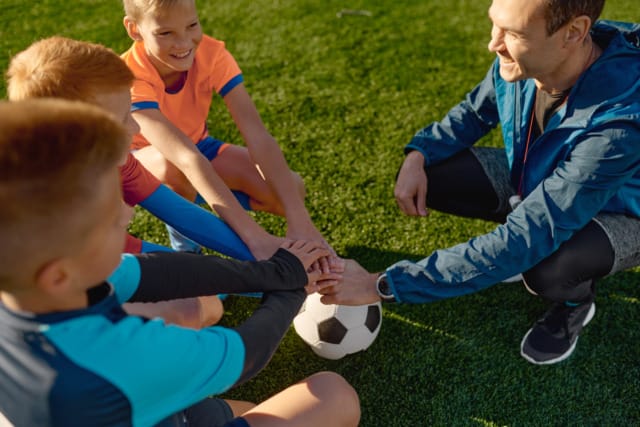
Coach and young soccer players sitting on grass in a huddle with hands stacked on a soccer ball, showing team spirit.
Coach explaining soccer strategy on a clipboard to players during a team meeting on the field.
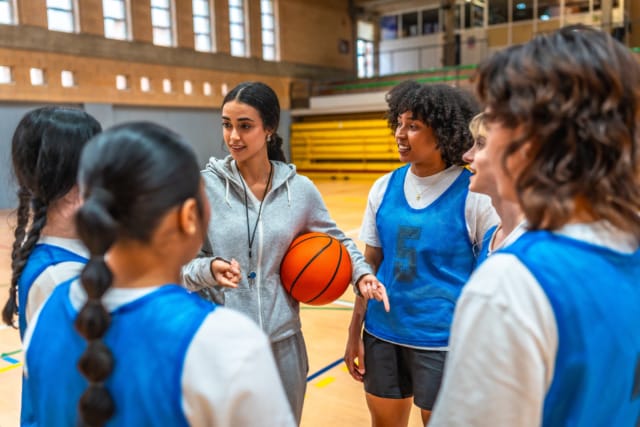
Basketball coach giving instructions to a group of female players in a gymnasium setting.
Soccer players strategizing with a coach using a tablet on the field, discussing game tactics and formations.

Course Structure

Compassionate Coach® is an evidence-informed 8-week training program developed in partnership with athletes and athlete survivors as well as leading experts in institutional courage, trauma-informed care, and player-centered coaching.

The program is facilitated by leading coaches and trauma-informed experts, and can be conducted virtually (via interactive and participatory Zoom classes) or in-person.

Compassionate Coach® educates cohorts of coaches (approximately 15-20 per cohort) from all levels and backgrounds on understanding trauma. The training focuses on understanding how trauma affects athletes of all ages, how to recognize trauma, and how to appropriately adjust coaching styles to create a safe sporting environment.

Coach and young soccer players sitting on grass in a huddle with hands stacked on a soccer ball, showing team spirit.

Strengths-Based Approach

Compassionate Coach® seeks to change the culture within sports to be more affirming and supportive, and create an environment in which all athletes can thrive.

Compassionate Coach® invites participants to reflect critically on their role as a coach in preventing or perpetuating harm against athletes. We recognize this is no easy task. Our strengths-based approach builds from empathy and the idea that every person has inherent strengths and resources that can be part of their development into agents of change.

Coach explaining soccer strategy on a clipboard to players during a team meeting on the field.

Teams with Compassionate Coaches Win!

It is a myth that old-school styles of coaching are the only path to success.

“Research has shown that one of the ways that teams can increase their chances of success (i.e., winning) is for the coach and their athletes to maintain high-quality interpersonal relationships with one another … Coaches who engage in aggressive, condescending behavior that is detrimental to their relationships with athletes will seriously damage their athlete’s motivation, self-image and self-efficacy, as well as diminish overall team coordination.”

Quote Citation: Justin A. Hebert & Aubrey Newland (2021) , Enhancing Athlete Outcomes Through Quality Coaching, Strategies, 34:4, 3-10, DOI: 10.1080/08924562.2021.1919581

Basketball coach giving instructions to a group of female players in a gymnasium setting.

Building Safer Sport Together

Every athlete deserves safety, support, and care. Compassionate Coach® supports coaches in prioritizing the holistic well-being of athletes, while fostering environments built on trust and respect. Together, we can reimagine sport as the safe, joyful, and life-changing experience it was always meant to be.

Soccer players strategizing with a coach using a tablet on the field, discussing game tactics and formations.
The Compassionate Coach® Course

Live Sessions

Our live training sessions offer more than just information. They provide a safe, supportive space to explore what it truly means to be a compassionate coach who values the mental and physical well-being of athletes.

Each session is a guided, interactive journey co-facilitated by trauma experts and seasoned coaching professionals. Together, they create an environment where learning feels personal, grounded, and deeply impactful.

With 8 live Zoom sessions included in the course, participants walk away with real tools, insights, and the confidence to lead their organization with empathy and intention. They also walk away with a learning community of peers to support each other and change in sport.

Educational Resources

The Compassionate Coach® course includes thoughtfully curated educational content designed to support coach growth and deepen understanding.

Before each live session, participants have access to materials and resources that help them show up informed and ready to engage.

Whether you’re new to this work or building on what you already know, these resources are here to boost your confidence, expand your perspective, and help you make the most of every session.

1:1 Support

Between live sessions, you have access to our 1:1 support. That support provides a space to ask questions, reflect, and receive personalized guidance tailored to your experience.

Whether you’re looking for clarity on course material, navigating a challenge, or simply needing a check-in, this dedicated support helps you stay grounded and connected as you grow.

Trauma-Informed

The Compassionate Coach® course is intentionally trauma-informed at every level. Developed by The Athlete Survivors’ Assist, an organization founded and led by athletes who have experienced abuse in sport, this program centers survivor voices and lived experience from start to finish.

From the structure of our sessions to the language we use, every detail is designed with care to ensure coaches feel supported as they learn to lead with empathy, safety, and trust. It’s all part of our mission: to make sport safer for all athletes.

Course Content Preview

In the first module, we will meet our cohort members, identify how to use the resources and education provided, and discuss how we will implement what we learn.

In this module, we will summarize the goals of the Compassionate Coach® course along with the underlying themes of the course and begin learning what constitutes a compassionate culture in sport.

In the second module, we will unpack coaching philosophies, identify participants’ leadership style, determine the types of cultures that exist within a club or organization, and find the opportunities for incorporating compassionate, athlete-centered methodologies.

This module covers the basics of trauma. We’ll discuss what trauma is, what adverse childhood experiences (ACEs) are (and limitations of some studies around ACEs), how to recognize the different signs of trauma, and the impacts of toxic stress.

After this module, participants will be able to recognize what constitutes trauma, learn the different types of trauma, and understand how it affects youth in sport.

This module covers child development, motivation, and appropriate coaching.
Athletes are more than their performances and achievements. A coach’s role is to support them as an entire person.

In this module, participants will learn how to support young athletes in their development and skill-building as both athletes and young people.

Myths about trauma and responses enable abuse and prevent survivors from reporting abuse and getting the help they need to heal. Dispelling and interrupting survivor myths is an active and important part of creating a compassionate culture.

Within this module, participants will identify ways to dismantle these myths by centering athlete voice and choice in their coaching.

This module is about understanding how to respond to a disclosure of abuse in a trauma-informed way. Additionally, we will unpack how to integrate trauma-informed principles in sport culture.

As a coach, it is essential to know how to respond to athletes disclosing in ways that prioritize their safety and well-being. And it is also critically important that coaches understand the systems in place to support athletes.

This module covers institutional betrayal, cowardice, and courage while helping coaches frame their role in these discussions.

As a representative of the institution and sport, a coach’s response to disclosure and creating a healthy environment has a huge impact on athletes. This module walks participants through understanding the existing sporting structures, how to advocate for stronger supports for athletes in their current system, and understanding what resources exist to support them and the athletes they coach.

This final module walks participants through combining all of the learnings from the previous modules and creating a compassionate coaching philosophy that aligns with their strengths, style, and personality. Being a Compassionate Coach® is not about creating a new personality or imitating a coaching style that does not come naturally to a participant. Instead, it’s about integrating trauma-informed methodologies into their pre-existing strengths and supporting athletes as full individuals.

Athletes often become the next generation of coaches. When a coach models trauma-informed, compassionate coaching, they are not only supporting athletes in the moment, but planting the seeds for lasting change and shifting generational styles of coaching.

Stay Connected

Want to be the first to know updates about the Compassionate Coach® course? Share your information below to stay in the know about Compassionate Coach®.

By signing up, you’ll receive occasional updates on:

  • Upcoming cohorts of Compassionate Coach®
  • Opportunities to support or get involved
  • Survivor-centered resources, events, and trainings
  • Ways to amplify the voices and leadership of athlete survivors

We’re building something powerful, and we’d love for you to be part of it.

Contact Us

Want to learn more or connect with us? We’d love to hear from you.
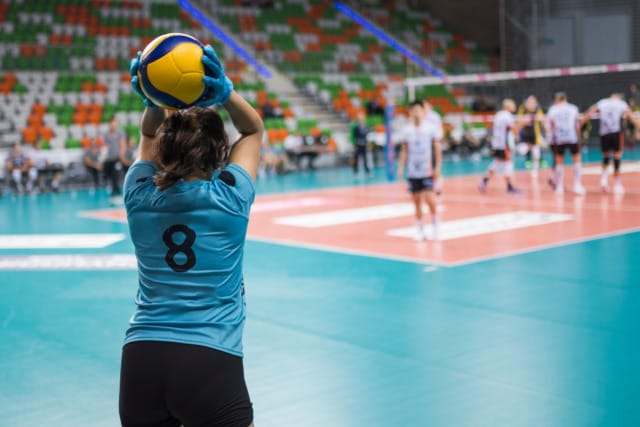
Volleyball player in blue jersey preparing to serve during a game, with other players visible on the court in the background.

Donate

Stand with us! Your involvement impacts systems change, raises public awareness, and protects athletes.


Woman in sports attire performing a high-five plank exercise outdoors on a sunny day.