
Tools for Athlete Survivors

Practicing Self-Care

Self-care can support and help maintain healing. Discover some easy and accessible skills for taking care of yourself. It is not selfish–it is necessary! 
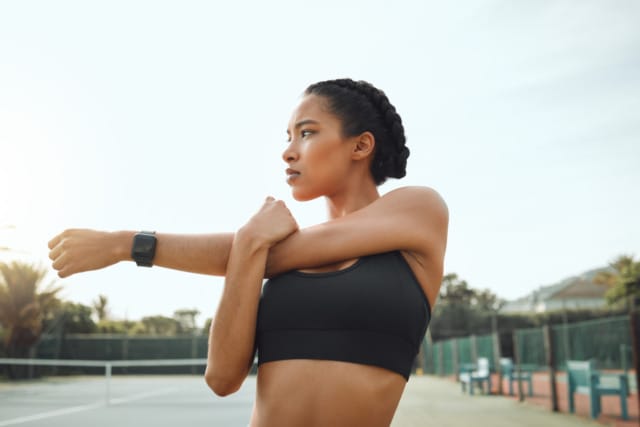
Woman stretching her arm on a tennis court, wearing workout gear and a smartwatch, with trees and a fence in the background.
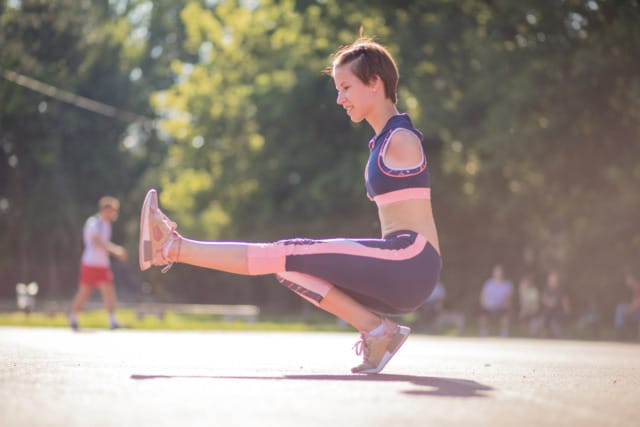
Person exercising outdoors in a balancing pose on one foot, with trees and soft sunlight in the background.
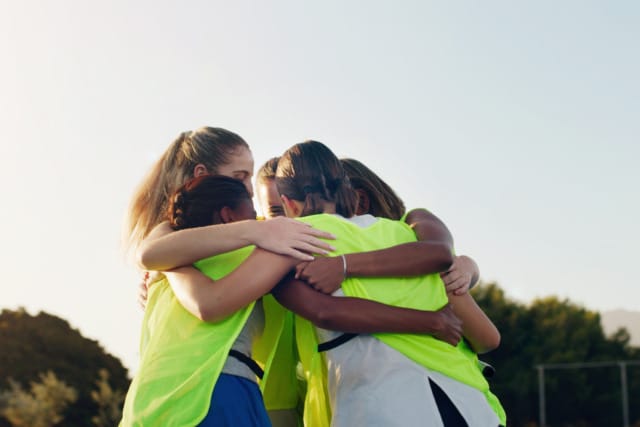
Group of young athletes in lime green jerseys huddling outside as a team, embracing each other during a sunny day.
Person exercising outdoors in a balancing pose on one foot, with trees and soft sunlight in the background.

What is self-care?

Self-care is about taking care of your needs and making choices that support your mental health and well-being. Things to remember about self-care include:

  • Self-care is not selfish – it is about positive mental health and engaging in activities that bring you energy and joy.
  • Self-care does not have to be fancy or expensive. Self-care is not just about going to a spa, it is about making everyday choices to do something that brings your positive energy or helps you relax.
  • Self-care is important. Taking care of yourself is a first step in being able to do stressful things. And it is important for being able to support healing after abuse.
Woman stretching her arm on a tennis court, wearing workout gear and a smartwatch, with trees and a fence in the background.

What does self-care look like?

Self-care looks different for everyone, but in general it is a collection of big and little things that help your mental health, help you feel more calm, and reduce stress and increase joy.

Ask yourself what you like to do to calm down and relax? What situations make you happy? When do you feel your best

Person exercising outdoors in a balancing pose on one foot, with trees and soft sunlight in the background.

Examples of self-care

  • Read a book
  • Give yourself a manicure or pedicure
  • Binge watch a show
  • Drink herbal tea
  • Cook something new
  • Do crafts
  • Listen to music
  • Draw
  • Watch or listen to comedy
  • Decorate
  • Go shopping
  • Order dinner or your favorite meal
  • Go for a drive
  • Go to a coffee shop and order a beverage
  • Sing out loud
  • Sleep in
  • Get a massage
  • Go to a playground and play- swing on a swing, go down the slide
  • Try on clothes
  • Do scrapbooking
  • Play with a photo app on our phone
  • Bake something
  • See if you are feeling tense in your neck or jaw, do a body scan (mentally move from toes to top of head seeing where you feel you are holding on to tension) and then tell yourself to let that tension go. 


Source: Mental Health America, https://screening.mhanational.org/content/50-self-care-activities-to-do-when-you-dont-know-where-to-start/

Group of young athletes in lime green jerseys huddling outside as a team, embracing each other during a sunny day.

Self-Care as an Athlete

As an athlete, self-care may look like doing things connected with your sport and it might not. It is important to listen to yourself and your body’s reaction. 

  • Athletes are very connected to their bodies in different ways–consider how your sport relates to how you hold and show stress.
  • Athletes have different connections to their mental state according to what is happening–such as competition verses training. Consider what self-care looks like for you during these times.
  • During stressful times in a sporting life, think about how you can take care of yourself, reduce stress, and build in opportunities for joy.
  • Find people in and out of your sport who are supportive and bring you joy. These can be part of your mental health support team and a great resource for connection and support.
Person exercising outdoors in a balancing pose on one foot, with trees and soft sunlight in the background.

Explore Resources

Access guides, courses, and expert resources for athletes, coaches, parents, and institutions to build safer sports spaces.
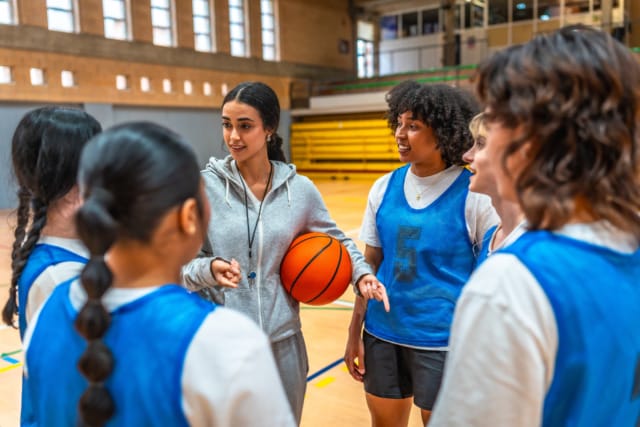
Coach discussing strategy with a women's basketball team in a gymnasium.

Get Immediate Help

If you or someone you know is in crisis, connect with 24/7 hotlines and professional support services now.
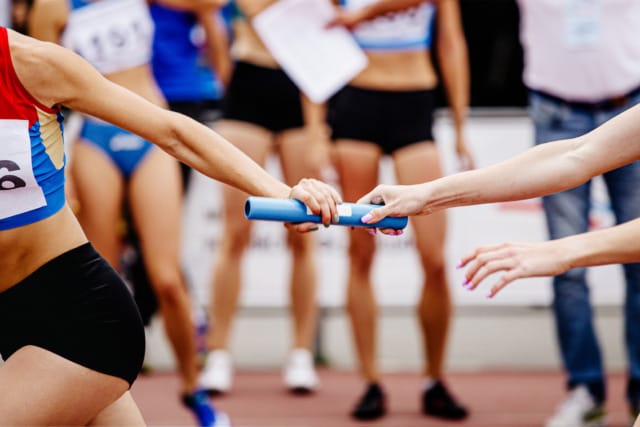

Athletes in a relay race passing a baton on a track, focus on the action and vibrant sportswear.