
Protect the Players by supporting The Assist 

You Can Change The Game During Sexual Assault Awareness Month 

It started with a question a parent wasn’t sure how to ask. 

Frank was thirteen and running the fastest times of his life when he stopped wanting to go to practice. He didn’t insist on quitting — he just got quiet. His mom, Renée,* noticed. On the drive home from a meet one evening, Frank finally said something: his coach made him feel like rest was weakness. That asking for a water break would cost him a spot on the team. The situation felt “wrong”, but neither Frank nor Renée were sure. Was this normal coach motivation, or was it an unhealthy environment? Renée didn’t know what to do next, so she started searching. She found The Assist’s guide, How to Know if Your Child Is in a Safe Sports Environment. Reading through it, things started to click — patterns she recognized, language she hadn’t had before. She kept reading. The Trauma-Informed Athletics for Parents guide helped her understand that what had been happening wasn’t healthy coaching, and it wasn’t Frank’s fault. 

Equipped with that information, Renée requested a meeting with the athletic director. She brought questions. She brought documentation. She brought the Child Athlete Bill of Rights — a resource she’d found through The Assist — and asked the school to consider requiring the Compassionate CoachⓇ program for their coaching staff. The school said yes. 

Frank is still running with his teammates. But now, he runs at a school that knows athletes are whole people, not just times on a clock.

The stories we share are inspired by real experiences from individuals throughout the communities we serve. In some cases, details have been combined or altered to respect privacy while remaining true to these experiences.

Boy holding basketball, leaning against a fence on a sunny day at an outdoor court.
It started with a story they couldn’t stop thinking about.

Camille was a sophomore on her university’s volleyball team when news broke about a case at another school in her hometown — years of abuse, a coaching staff that looked the other way, athletes who reported and weren’t believed. She read the whole story. Then she sat with a feeling she recognized but couldn’t name: it could happen here. She didn’t know her team’s reporting process. She didn’t know if her coaches had any formal training on abuse prevention. She wasn’t even sure she knew her own rights as a college athlete. She found The Assist through an online search and started with the Athlete Safety Guide. That led her to the resources for athletes navigating unsafe sports environments. She reached out to The Assist team directly, and they connected her with information about the Training and Technical Assistance program — a resource designed for exactly the kind of institutional change she was thinking about.

Camille brought what she learned to her athletic director. She wasn’t accusatory. She was prepared. She asked whether the department had undergone a policy and procedure review, and whether anyone on staff had received trauma-informed training. She shared The Assist’s institutional resources and asked them to consider an organizational assessment. It took several conversations. But by the end of the semester, her athletic department had started a process it had put off for years, and had a plan in place to get every coach certified through the Compassionate CoachⓇ program.

Camille still plays volleyball. She’s also the reason her teammates know they have somewhere to turn.

The stories we share are inspired by real experiences from individuals throughout the communities we serve. In some cases, details have been combined or altered to respect privacy while remaining true to these experiences.

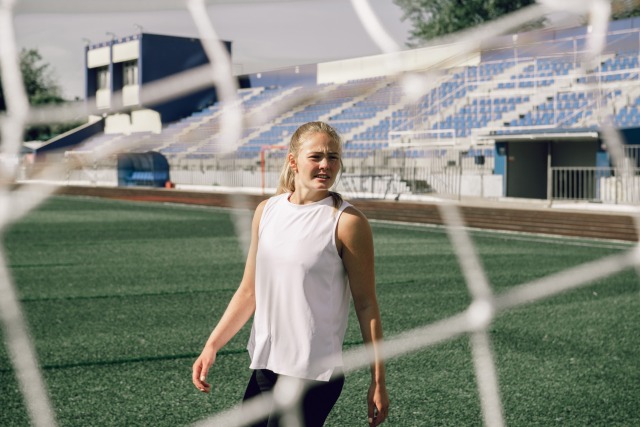
Soccer player in white tank top on field, with stadium seating in background, viewed through goal net.

Your ImPact:

$20
And Up

Receive a sticker from The Assist as a small thank-you for joining us this month

$75

Sends a survivor support package with self-care items and resources. 

$150 

Covers one session of Trauma-Informed Survivor Advocacy (TISA) for an athlete survivor

$1,500

Covers the cost for one coach in our Compassionate Coach® program.

More ways to give:

Legacy Giving

Leave a legacy that protects future generations of athletes. Your gift creates a lasting impact—helping build a culture of safety, support, and healing in sport.

Race Participation

Change the culture of sport, one step at a time. Runners fundraise to support our mission to end sexual violence in sport through education, accountability, and survivor advocacy.

Mailed Donations

If you’d like to donate by mail, send a check made out to: 

The Athlete Survivors’ Assist
428 W. Lenawee Street
Lansing, MI 48933

Corporate Sponsorship

Join us in making sport safer for all. Align your brand with our mission to support athlete well-being, survivor advocacy, and lasting change.

Join the Movement

Together, we can make sport safer for all athletes.