
Reporting Abuse in Sports

Choosing Not To Report – Survivor Support

Survivors should be at the center of their story and experience with abuse. If you are a survivor there are many supports available when choosing to report. This is a decision that is up to you. You should be given the opportunity to explore the process and impacts of making a report or choosing not to. You should be encouraged and supported in making the choices that are right for you.

Do note, that in some instances, such as child abuse and neglect, the option of reporting or not may be taken away.
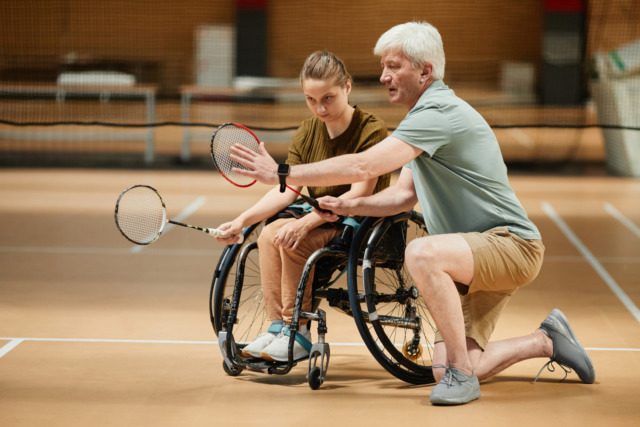

Instructor teaching wheelchair badminton to a young girl on a court.
Martial arts students in white uniforms showing fists, wearing belts of different colors indicating rank or level.
Field hockey player in red uniform dribbling ball with stick on blue turf.
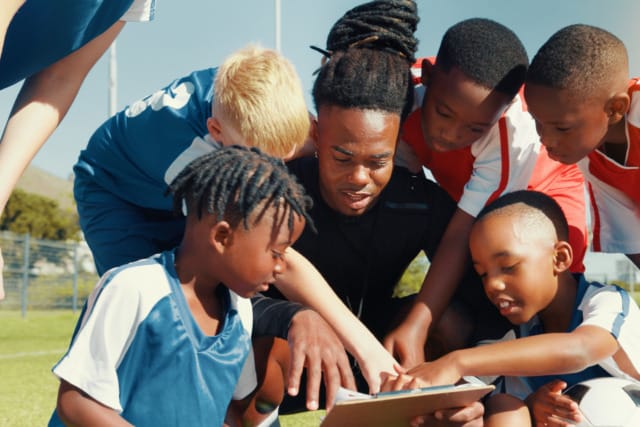
Coach and young soccer players reviewing a game plan on a clipboard outdoors on a sunny day.

Impacts of not reporting abuse

The Assist is in your corner, whether you report abuse or not. This choice is up to you. Here are a few examples to consider if choosing not to report:

  • Reporting abuse can include interacting with law enforcement and/or child protective services.
  • Reporting can impact how safe you feel participating in your sport post-report. Although retaliation is not legally tolerated in many reporting and accountability systems (such as reports made to the US Center for Safe Sport and in criminal cases), it does still occur and can impact access to participation in your sport in various ways.
  • Deciding not to report can impact your case if you decide to later on. This is because evidence can degrade and memories can become less clear over time. If you decide to report later, the evidence for your case could be impacted.
Instructor teaching wheelchair badminton to a young girl on a court.

Anonymous Sexual Assault Exam

If you do not want to report to law enforcement, you can still preserve evidence with an anonymous sexual assault exam.

Federal law, specifically the Violence Against Women Act, requires that survivors have access to anonymous sexual assault exams. Learn more about exams and what to expect.

Martial arts students in white uniforms showing fists, wearing belts of different colors indicating rank or level.

No Matter If You Report or Not, You Have Options

Survivors have many options and pathways to healing. Reporting is not required for you to find your way to healing.

  • 24/7 advocates can help you understand the rights and accommodations (changes that help you safety plan after abuse) available.
  • In some systems, such as reporting within educational systems, you can receive supports and accommodations without filing a formal report. 
  • You have the right to develop a safety plan and consider what supports you need without reporting to any system.
  • You deserve support and healing, whether you report abuse or not.
Field hockey player in red uniform dribbling ball with stick on blue turf.

Child Abuse and Vulnerable People

In some cases, reporting abuse is mandatory if your state or country has laws that require reporting, and the conditions of that law are met. Things to consider include:

  • It is important to understand if you are required to report abuse (e.g., being a teacher, or a child care professional)
  • If you are not clear on your requirement to report, consult an advocate and/or legal counsel.
Coach and young soccer players reviewing a game plan on a clipboard outdoors on a sunny day.

Explore Resources

Access guides, courses, and expert resources for athletes, coaches, parents, and institutions to build safer sports spaces.

Coach discussing strategy with a women's basketball team in a gymnasium.

Get Immediate Help

If you or someone you know is in crisis, connect with 24/7 hotlines and professional support services now.


Athletes in a relay race passing a baton on a track, focus on the action and vibrant sportswear.