

Support for Survivors

Seek Legal Advice

Seeking legal advice may be helpful for understanding the interconnection of various systems, the impact of reporting, and what to expect in different processes.

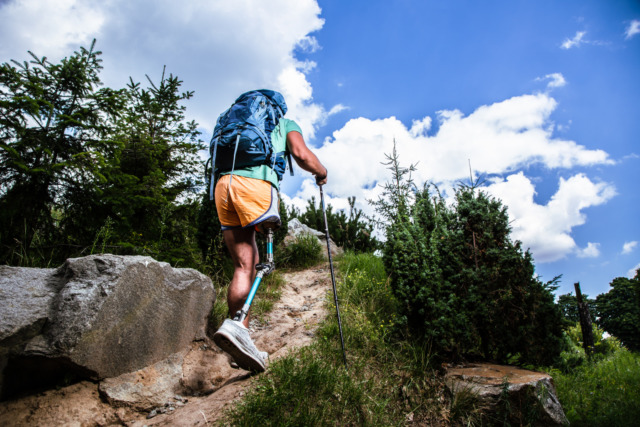
Person with a prosthetic leg hiking uphill on a sunny day with a backpack and trekking poles surrounded by greenery and rocks.
Field hockey player in red uniform dribbling ball with stick on blue turf.

Seeking Legal Advice and Support

Seeking an attorney or legal advice can be helpful for survivors to better understand and ask questions about what to expect and what remedies might be available. It is important to consider:

  • Not all attorneys are trauma-informed, nor do work on issues of sexual violence–it is important to find the right kind of legal advice.
  • Conversations with attorneys should be confidential. Ask an attorney about the protections of communications at the beginning of the conversation.
  • Attorneys and legal support can be expensive. There are also pro bono/free legal services that may be able to help you. These services could have longer wait times for response.
  • Local advocates throughout the state often have lists of lawyers that take cases on sexual violence and might be a good resource for finding legal advice.

Attorneys can let you know your rights

Attorneys should be able to help you understand the following:

  • The restrictions in your case, such as the statute of limitations that applies, and the limits of remedy and liability in your case (your ability to get a financial recovery and responsive action).
  • The approximate timelines for different processes, such as a criminal case compared to a civil lawsuit.
  • The legal background for your case such as what crimes might have been committed and what systems might be able to help.
Person with a prosthetic leg hiking uphill on a sunny day with a backpack and trekking poles surrounded by greenery and rocks.

Questions to ask an attorney

Here are some sample questions to consider asking an attorney about their expertise:

  • Is this conversation confidential and privileged under attorney-client privilege?
  • Have you received trauma-informed training? What did that training or experience include?
  • Do you have experience working on cases like this?
  • Do you have experience working in the following:
    • Criminal legal cases
    • Civil legal cases
    • Education, Title IX cases
    • US Center for Safe Sport Cases
    • Sex discrimination (workplace or education systems)
  • What states can you practice law in?
  • What is the fee structure for your legal advice?
Field hockey player in red uniform dribbling ball with stick on blue turf.

Explore Resources

Access guides, courses, and expert resources for athletes, coaches, parents, and institutions to build safer sports spaces.

Coach discussing strategy with a women's basketball team in a gymnasium.

Get Immediate Help

If you or someone you know is in crisis, connect with 24/7 hotlines and professional support services now.


Athletes in a relay race passing a baton on a track, focus on the action and vibrant sportswear.