

For Parents, Legal Guardians and Caregivers

Trauma-Informed Athletics for Parents
For Parents

Supporting Your Athlete Survivor

Understand how trauma affects athletes and how you, as a parent, can create a safe and supportive environment that promotes healing and empowerment for your athlete.

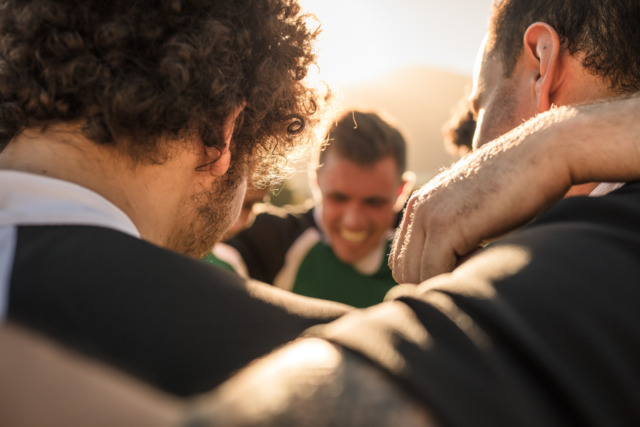
Rugby players in a huddle sharing a moment of teamwork and camaraderie under the warm sunlight on a playing field.

For Parents

Recognizing Trauma-Informed vs. Unsafe Sports Environments

Signs that You Have a Trauma-Informed Sports Environment:

Signs that You Have a Non-Trauma-Informed Sports Environment:

Clear Communication with Families: Coaches and leadership communicate regularly about team values, safety policies, and how to raise concerns. Parents are seen as partners in athlete well-being.

Secrecy & Lack of Transparency: Parents are kept out of the loop regarding team culture, discipline methods, and safety concerns. Inquiries are dismissed.

Feedback is Welcomed from Parents: Institutions openly encourage feedback from families about athlete experiences.

Parents are “Trouble” if They Raise Concerns: Families are told to stay out of team matters. Feedback is met with defensiveness or exclusion.

Consent & Boundaries are Prioritized: Coaches seek consent for physical corrections, provide alternatives, and encourage athletes to voice discomfort. Parents are informed of these protocols.

Touch Corrections without Consent: Physical corrections are made without asking, and discomfort from athletes or parents is brushed aside as “overreacting.”

Mistakes are Learning Opportunities: Coaches focus on development and effort, using constructive, strength-based language instead of shaming athletes for mistakes.

Shame & Public Humiliation: Mistakes are met with yelling, belittling, or public punishment like excessive exercise or benching.

Mental Health & Safety are Valued: Teams discuss mental health openly, promote well-being, and provide resources to athletes and families.

Mental Health is Ignored or Stigmatized: Mental well-being is seen as “making excuses” or a sign of weakness. Athletes are expected to “tough it out.”

Safe Reporting Channels for Athletes & Parents: Families know exactly how to report concerns confidentially. Reports are taken seriously and handled with care.

No Clear Way to Report Harm: Families and athletes don’t know who to go to, or fear retaliation if they speak up. Reports may “disappear.”

Parental Involvement is Respected: Parents are invited to participate in safety initiatives and are valued as key stakeholders in creating a positive team culture.

Parents are Viewed as Obstacles: Institutions see parents as overly involved or annoying when they advocate for their athlete’s well-being.

Trauma-Informed

The Four R’s


Trauma-informed parenting means you Realize trauma’s impact, Recognize how it shows up in your athlete’s life, Respond with supportive actions, and Resist retraumatization. These principles are essential to creating safe, healing spaces for athlete survivors.

Realize

Realize Trauma’s Impact

  • Recognize that trauma may affect your athlete’s emotions, focus, and relationships.
  • Understand that sports culture often masks trauma through perfectionism or “toughness.”
  • Learn that trauma can affect athletes’ bodies and minds long after the event.

Recognize

Trauma Responses

  • Watch for emotional outbursts, withdrawal, or people-pleasing behaviors.
  • Understand physical signs like headaches or stomach aches linked to stress.
  • Be mindful of signs of burnout or loss of enjoyment in sport.
  • Ask questions and be curious if your athlete suddenly stops wanting to play or practice.

Respond

Respond with Support

  • Use calm, open-ended questions to encourage dialogue.
  • Offer choices in situations to restore your athlete’s sense of control.
  • Model healthy coping skills through your own behavior.
  • Know the resources and know the rights of your athlete.
  • Ask the athlete what they want to do and listen to their responses. 

Resist

Resist Retraumatization

  • Avoid minimizing their experience or offering “silver linings.”
  • Respect their pace in sharing and healing.
  • Create safe routines that foster emotional security.
  • Help them connect to a confidential advocate and/or confidential mental health support.
  • Check aggressive or angry reactions. Make sure you are not perpetuating victim-blaming statements.

Vicarious Trauma & Parent Self-Care

Supporting Your Athlete Means Supporting Yourself


Remember, you don’t have to carry this alone. The Assist offers resources for families navigating the complexities of trauma recovery in sports. Visit our Parent Resources Hub for more support tools.


Parenting a survivor is emotionally demanding. Hearing your athlete’s story and witnessing their pain can trigger feelings of helplessness, anger, or even bring up your own past trauma. This is known as vicarious trauma, and it’s a natural reaction to supporting a loved one through a difficult experience.

It’s essential to prioritize your own self-care while supporting your athlete. This isn’t selfish—it’s necessary. When you’re emotionally grounded, you’re better equipped to offer the stable, compassionate presence your athlete needs.

Consider:

  • Practicing self-care rituals that work for you—whether that’s movement, mindfulness, or creative outlets.
  • Seeking your own support through therapy or peer groups.
  • Setting boundaries to ensure you have time to rest and recharge.

Trauma Informed Athletics for Parents

Frequently Asked Questions

How can I discuss boundaries and safety with my child in a sports setting?

Start with age-appropriate language about body autonomy and consent. Use real-life sports scenarios (locker rooms, team travel) to make discussions relevant. Use the medical names for genitalia and body parts. Reinforce that they have the right to say “no” to anything that makes them uncomfortable. Visit our Teaching Safety & Consent Guide for conversation starters.

What if my athlete doesn’t want to talk about their experience?

It is normal for survivors to need time before sharing. Respect their pace and focus on creating a safe, open environment where they know you’re ready to listen when they are. You can still support them by offering small affirmations like “I’m here when you’re ready.” Avoid pressing for details.

How do I balance advocating for my athlete without overstepping?

Involve your athlete in decisions about advocacy actions. Ask, “Would you like me to speak with your coach about this?” or “How can I support you?” This ensures you’re supporting their voice, not replacing it. Be transparent about the steps you’re taking on their behalf.

What if supporting my athlete triggers my own trauma?

Supporting a survivor can bring up unresolved emotions. Recognize your limits and seek professional support when needed. Practice self-care and give yourself permission to step back when overwhelmed. It’s okay to need help too. Our Self-Care Resources can guide you.

How can I encourage my athlete’s love of sport after trauma?

Allow your child to re-engage with sport on their terms—whether that means taking a break, changing teams, or shifting focus to enjoyment over competition. Celebrate small victories and make it clear their worth isn’t tied to performance. Healing includes rediscovering joy. Also, allow them to step away from the sport if that is what they need. Be sure to separate out what you want for your athlete versus what they want for themselves.

Possible New Course

 Compassionate Parent

The Assist hopes to create a Compassionate Parent™ curriculum built from the key tenets and structure of Compassionate Coach® that will educate parents and guardians of athletes on recognizing signs of abuse, understanding how to support children who have experienced abuse in sports, and provide guidance on how to advocate for healthier sports environments as their children grow and develop as athletes and individuals.

Donate Today

Your donation supports survivors, funds sexual abuse prevention education, and helps make sport safer for all athletes.
Volleyball player in blue jersey preparing to serve during a game, with other players visible on the court in the background.

Get Involved

Stand with us! Your involvement impacts systems change, raises public awareness, and protects athletes.


Woman in sports attire performing a high-five plank exercise outdoors on a sunny day.