
20 Self-Care Ideas to Help Athletes Recharge — On and Off the Field
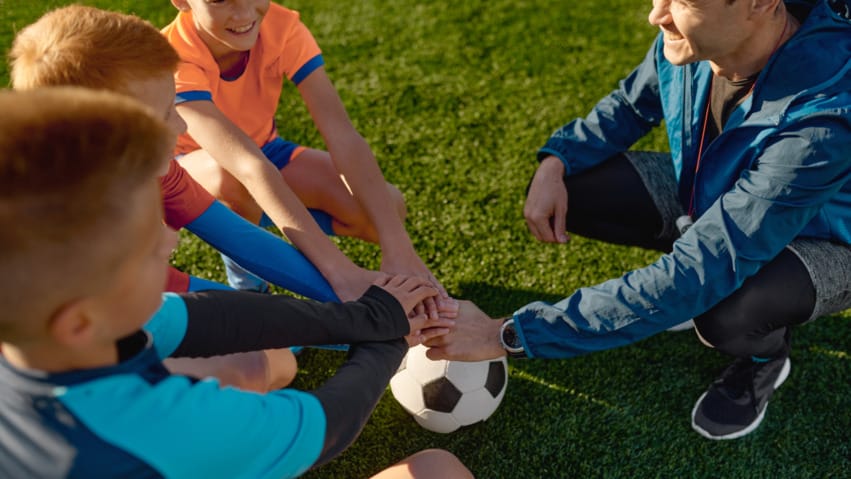
As an athlete, you’ve been taught to push through challenges, chase your goals, and keep moving forward. But true strength also means knowing when to rest, reset, and care for yourself—physically, mentally, and emotionally.
Whether you’re competing at an elite level, recovering from injury, or simply balancing your love for sport with the demands of everyday life, self-care isn’t optional. It’s essential.
We’ve gathered 20 self-care ideas for athletes that you can start today. These activities are easy to customize to your schedule, resources, and energy level, so you can care for your whole self, not just your athletic performance.
1. Go out with friends
Social connection is a powerful way to reduce stress and boost your mood. Spend time with people who make you feel safe, supported, and like yourself, not just your athletic identity.
2. Start or update a journal
Writing down your thoughts, feelings, and experiences can help you process emotions, track progress, and notice patterns in your mental health and performance.
3. Learn a new hobby
Trying something new, like sewing, a musical instrument, photography, or cooking, can give your brain a break from competition and performance pressure while sparking creativity.
4. Practice breathing exercises
Just a few minutes of intentional breathing each day can lower stress, improve focus, and help with pre-game or pre-performance jitters.
5. Reconnect with someone you’ve lost touch with
Relationships can be a vital source of emotional resilience. Reach out to a friend, family member, or teammate you haven’t spoken to in a while.
6. Play a game or work on a puzzle
Games and puzzles can shift your focus away from stress while improving concentration, memory, and problem-solving skills.
7. Make art or color in an adult coloring book
Creative outlets help you express feelings you might not have words for. Plus, the repetitive, mindful nature of art can be deeply calming.
8. Meditate
Even short, guided meditations can improve emotional regulation, help with recovery, and increase mental clarity before training or competition.
9. Knit or crochet
Crafts like knitting offer a mix of creativity and mindfulness, which can help quiet an overactive mind.
10. Declutter and donate
Clearing out unused items from your closet or gear bag can make your space feel lighter and more manageable, while also helping others in need.
11. Move your body in a way you enjoy
Exercise doesn’t have to be structured training. Go for a walk, bike ride, hike, swim, or try yoga or strength training just for fun—not for performance.
12. Take a screen break
Stepping away from your phone or laptop can help you feel more present and less overstimulated.
13. Make a playlist that makes you feel good
Music can shift your mood in seconds—whether you need a pump-up track before a game or calming songs for rest days.
14. Spend time in nature
Fresh air, sunshine, and natural scenery can reduce anxiety, improve sleep, and support recovery.
15. Cook yourself a nourishing meal
Fueling your body with balanced meals is a form of self-respect and care—especially for athletes whose bodies work hard.
16. Schedule “nothing time”
Give yourself permission to rest without guilt. No workouts, no to-do list—just time to exist.
17. Stretch or foam roll
These small acts of physical care can keep your body moving well and help prevent injury.
18. Volunteer
Helping others can boost your mood, strengthen community connections, and remind you of your value beyond your sport.
19. Create a calming bedtime routine
Sleep is the ultimate recovery tool. Dim the lights, put your phone away, and try a calming activity before bed.
20. Celebrate small wins
Athletes are used to big goals, but acknowledging small victories (on or off the field) builds confidence and resilience.
Why Self-Care Matters for Athletes
Athletes often focus on training schedules, competition prep, and physical recovery, but emotional and mental care are just as important. Overtraining, burnout, and high-pressure environments can make it easy to forget your needs outside of sport.
By building self-care into your daily routine, you’re not only protecting your well-being, you’re also supporting your long-term performance and joy in the sport you love.
Remember: Self-care isn’t selfish. It’s strength in action.